Certified mobile crane rental and heavy industrial rigging in Belgium
Raveschoot 22, 9080 Lochristi, Belgium
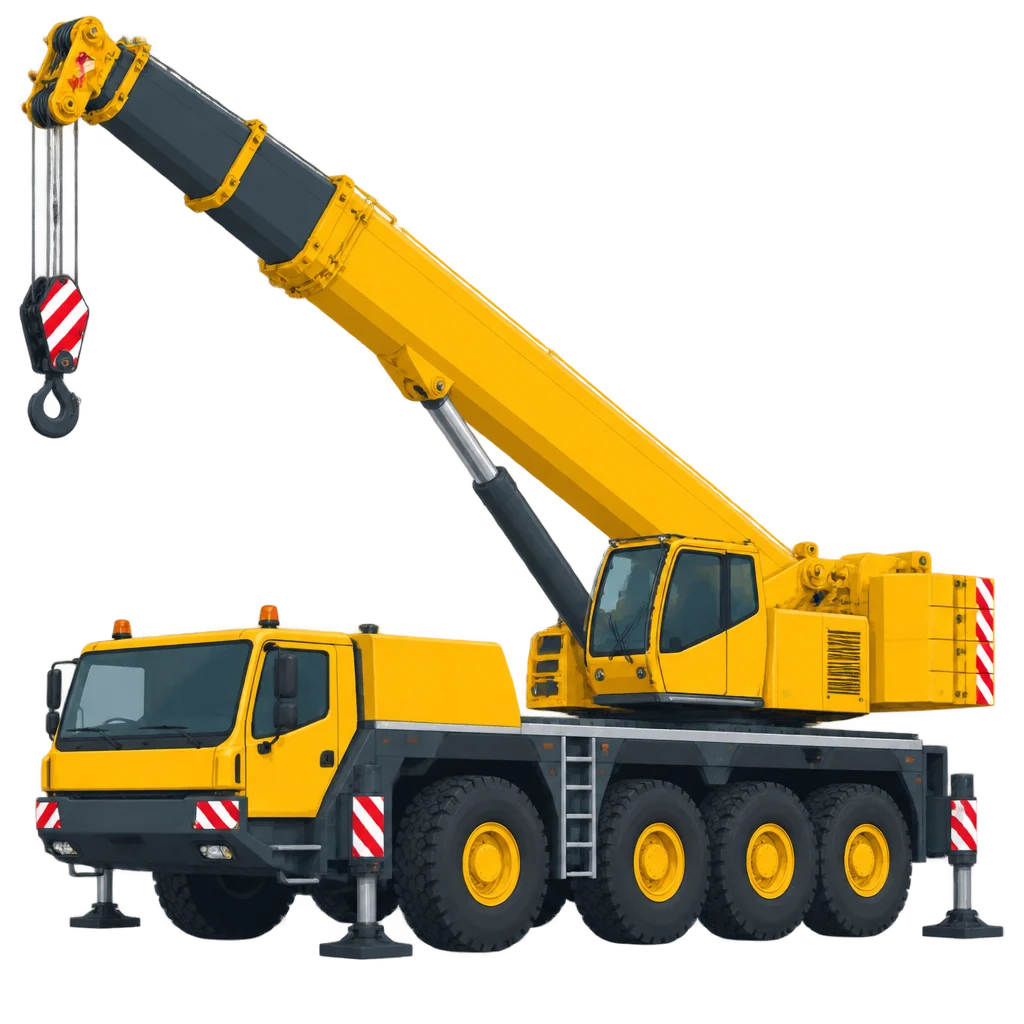
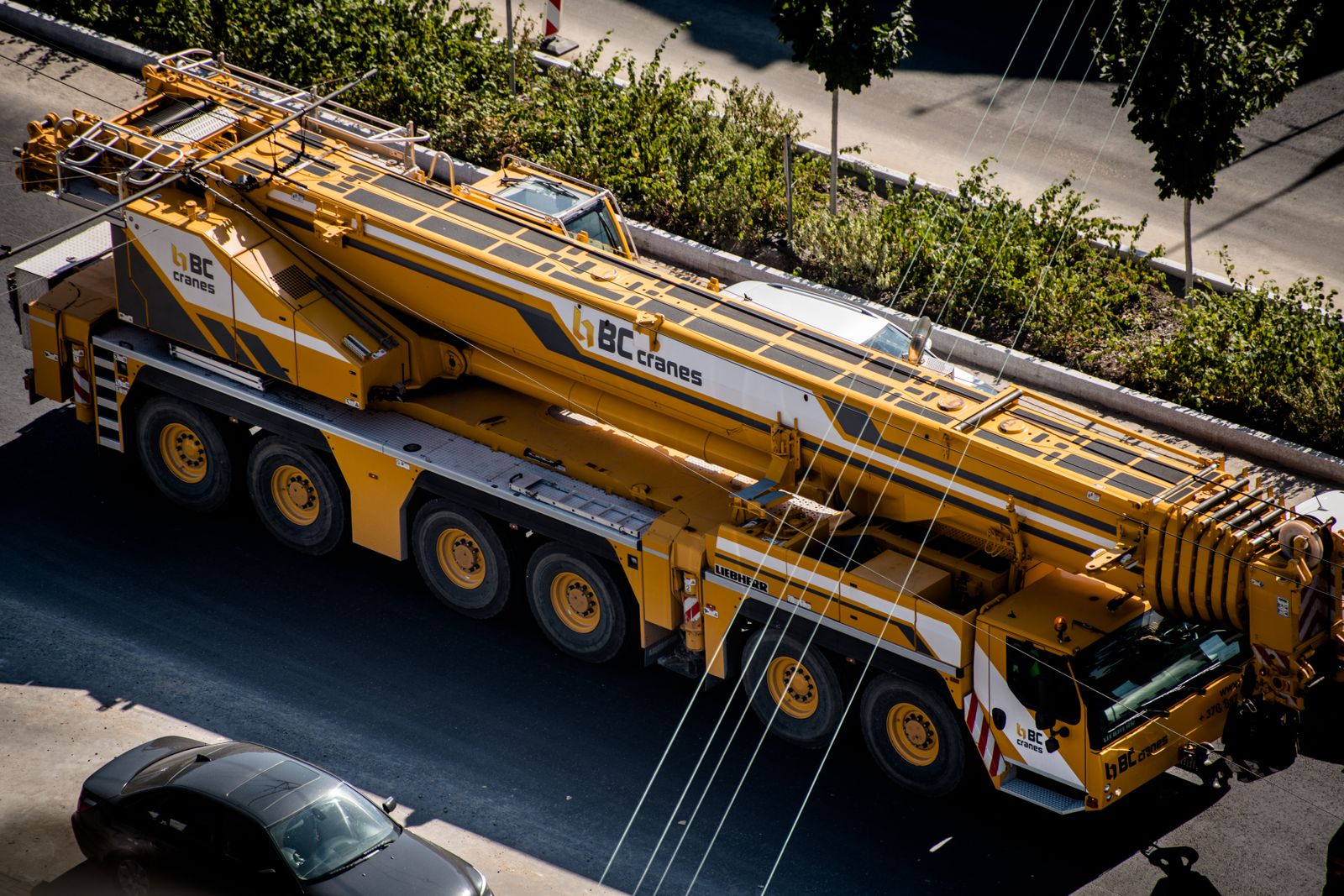
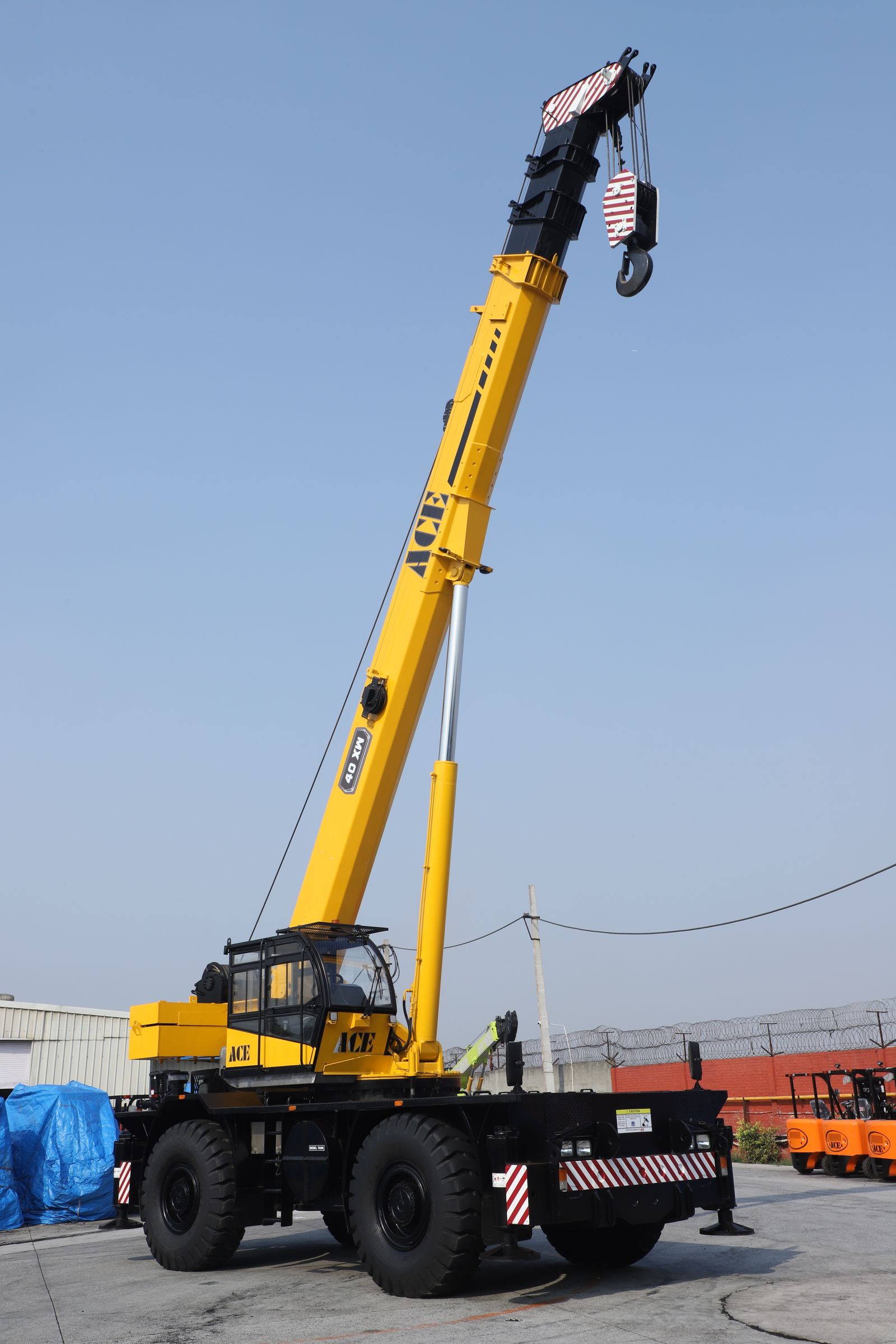
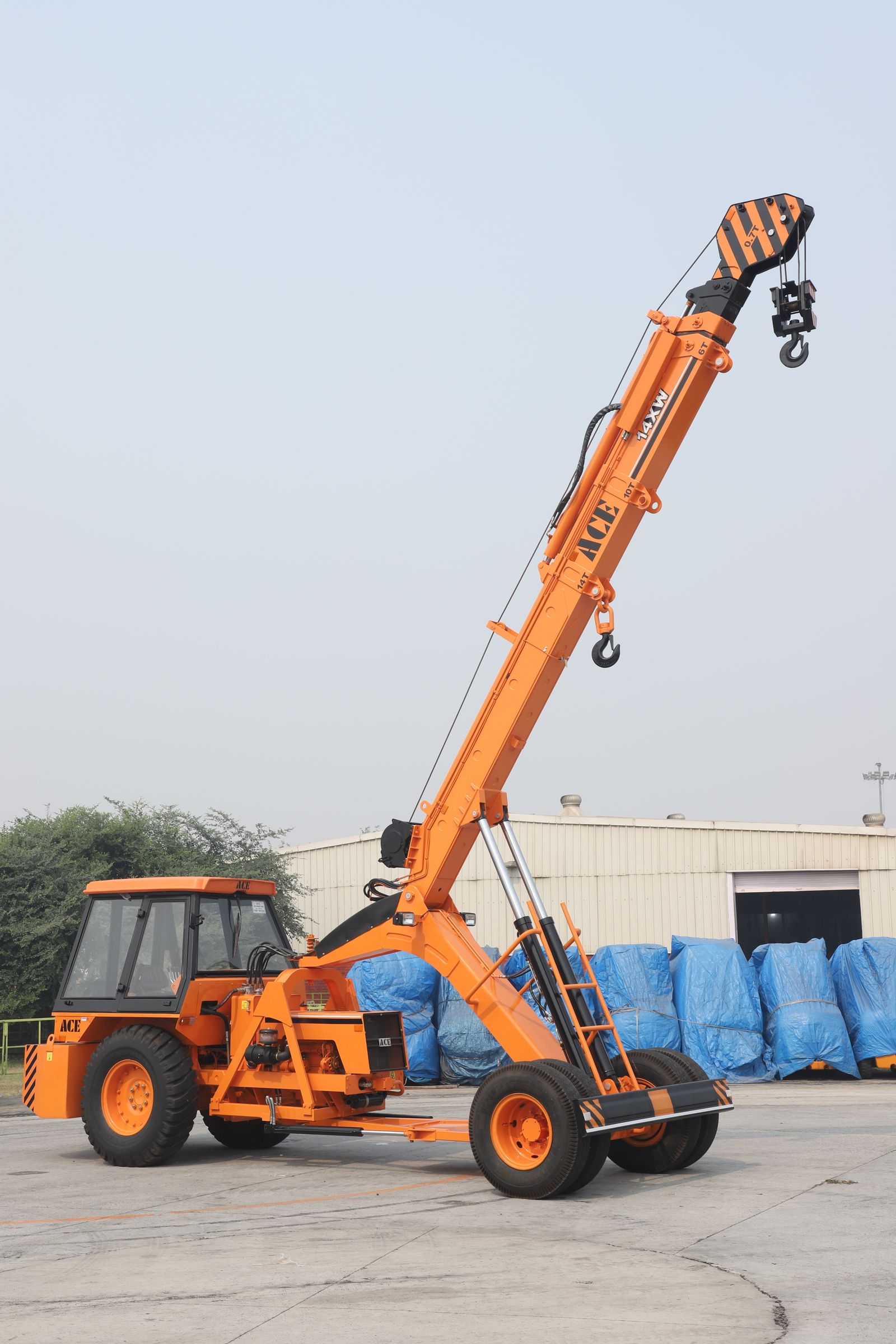
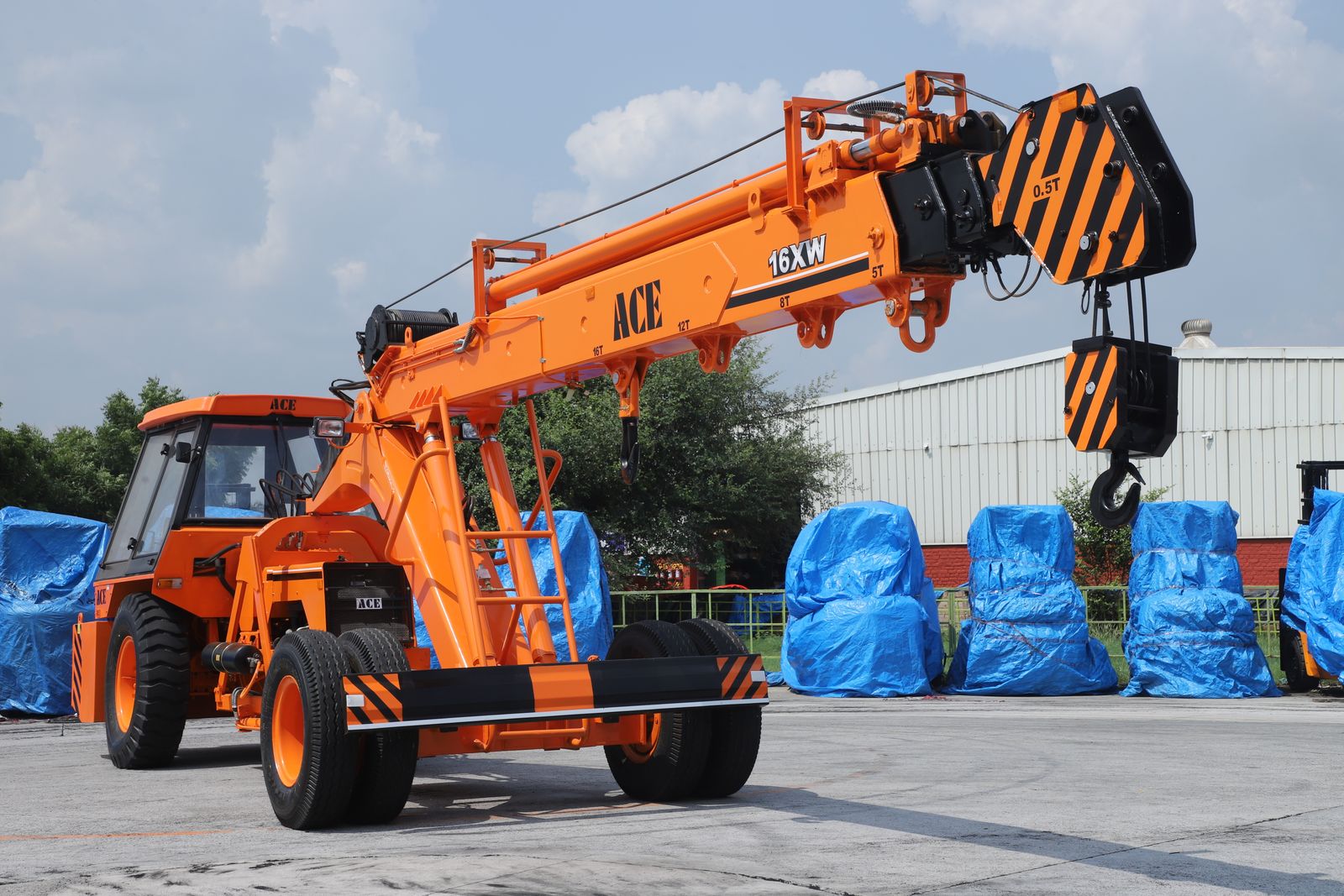
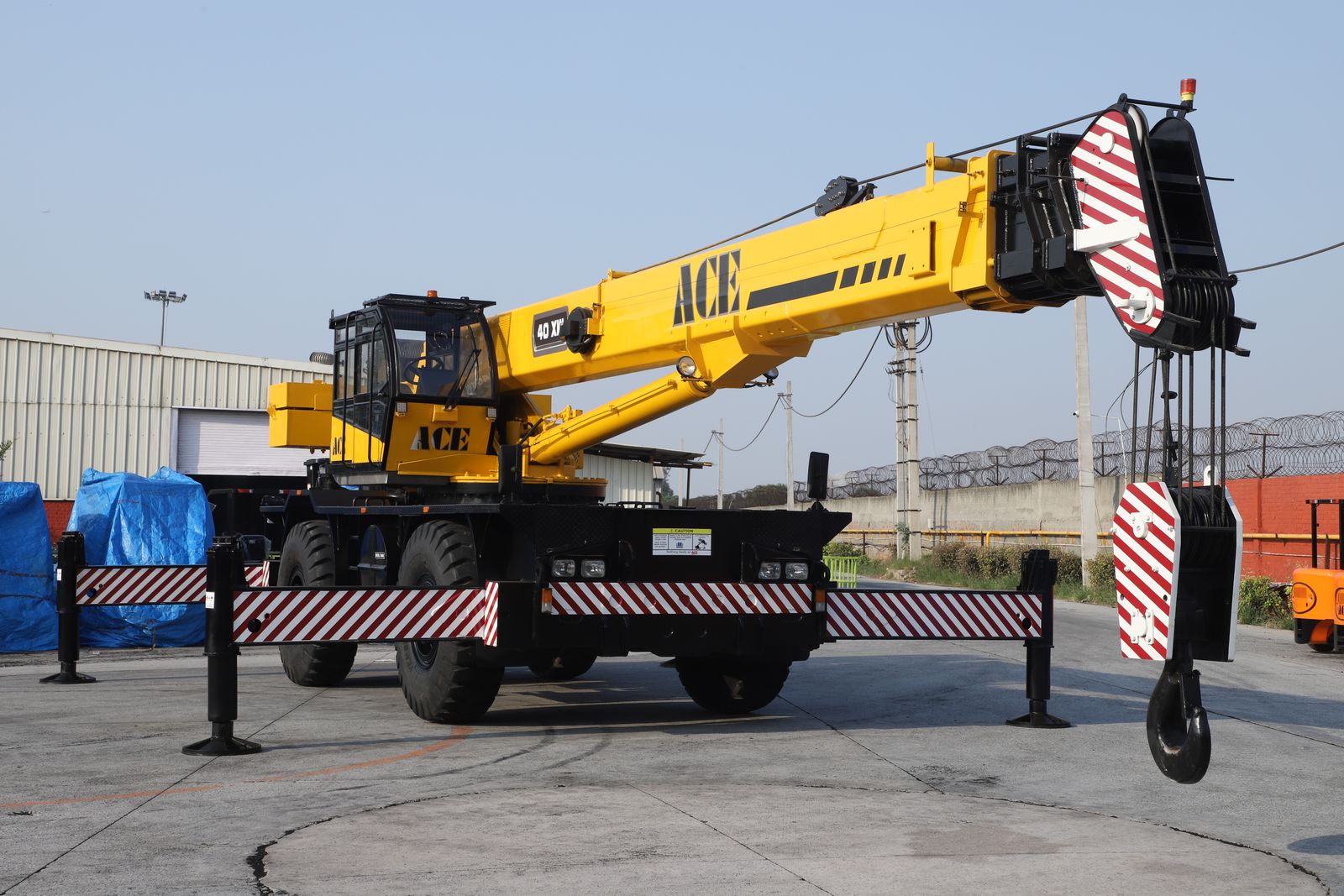
Mobile construction crane rental featuring all-terrain and truck-mounted units for projects across Belgium.
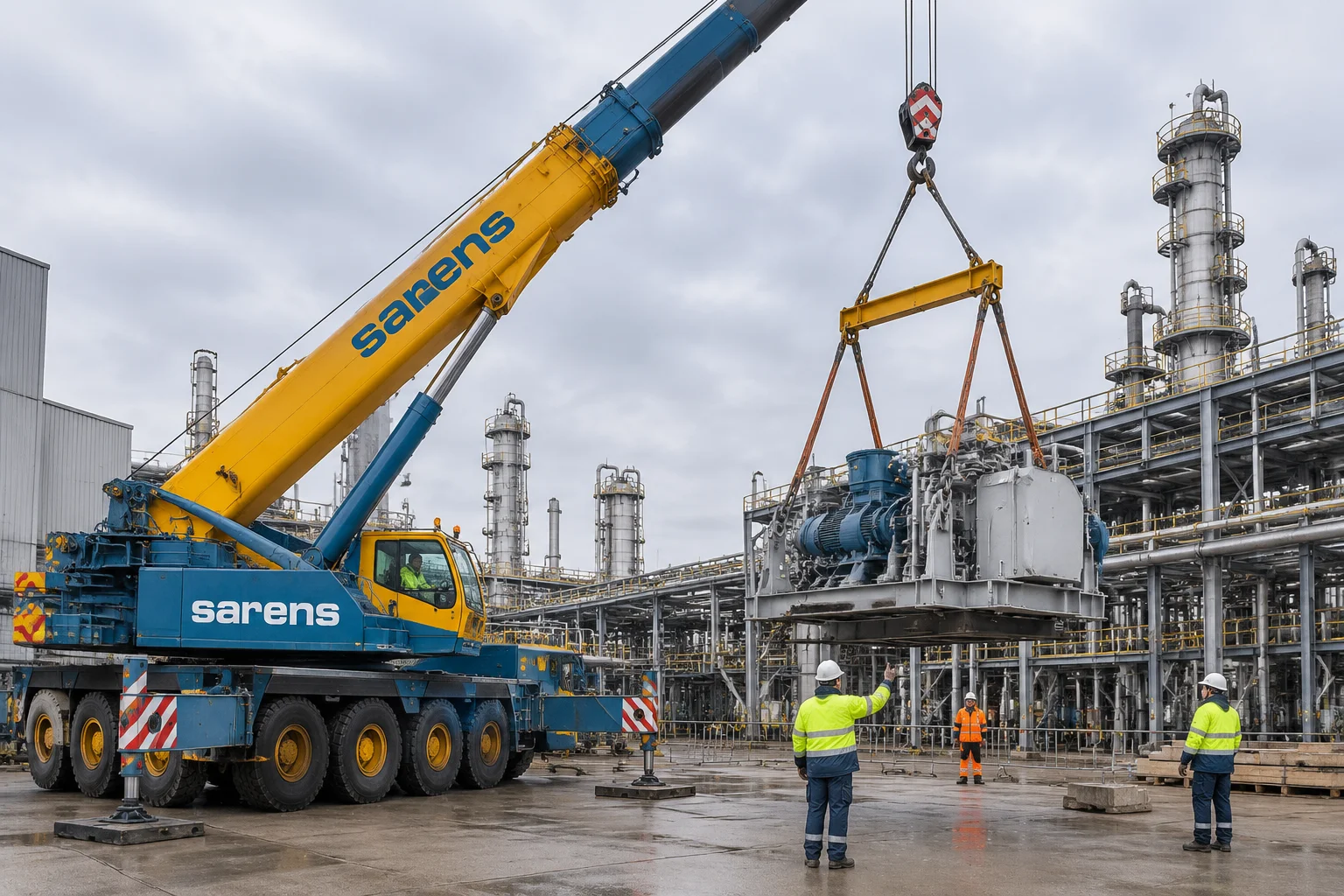
Heavy industrial equipment relocation, including factory machinery positioning and production line shifting.
Comprehensive plant dismantling and controlled demolition of complex steel and concrete structures.
Specialized rigging services utilizing certified spreader bars, heavy chains, and engineered lifting tackle.
Mobile construction crane rental featuring all-terrain and truck-mounted units for projects across Belgium.
Heavy industrial equipment relocation, including factory machinery positioning and production line shifting.
Inspect the site layout, access roads, and weight limits to determine crane placement and outrigger setup.
Calculate load charts, select certified rigging gear, and map out the exact lift path before mobilization.
Execute the lift or equipment relocation with experienced operators and signalers maintaining constant radio contact.
Industrial construction and heavy manufacturing in Belgium demand a level of precision that standard logistics simply cannot provide. When an assembly line needs to shift across a crowded factory floor or a massive steel girder has to drop precisely into place over an active plant, the margin for error shrinks to zero. Heavy lifting requires more than just raw horsepower; it calls for meticulous planning, deep technical knowledge, and an intimate understanding of local terrain and urban constraints. Every project carries its own unique set of physical challenges, from navigating narrow industrial corridors in Liège to managing soft soil conditions near the canals of Bruges.
Bluehaven Capital Partners provides dependable mobile construction crane rental and specialized rigging services designed to tackle these exact obstacles. Operating heavy machinery in densely populated industrial zones means working within strict municipal regulations and tight spatial limits. The equipment must arrive on time, set up swiftly, and perform flawlessly under load. Relying on outdated machinery or inexperienced crews invites costly delays and severe safety risks. Experienced project managers know that partnering with a dedicated lifting specialist protects the bottom line and keeps the job moving forward.
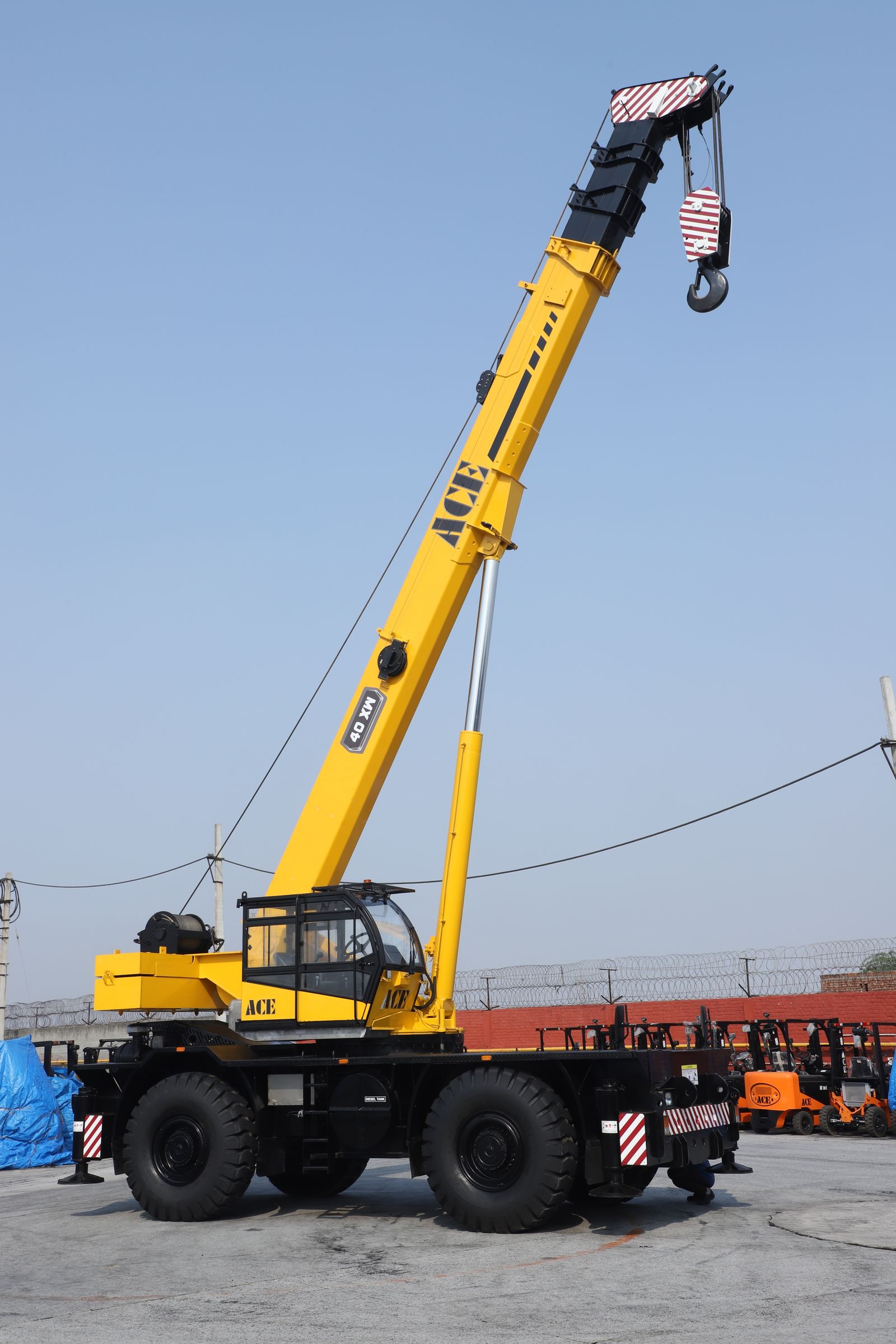
Successful lifting operations begin long before the crane engine starts. Ground bearing pressure is often the hidden enemy of heavy construction. A multi-axle all-terrain crane exerts immense downward force through its outriggers, and paving stones or asphalt can fail without adequate timber matting or steel spreader plates. Engineers evaluate soil composition, subterranean utilities, and wind forecasts before deciding on crane placement. This preliminary site survey prevents the machine from sinking or tipping during a critical pick.
Load dynamics demand equal respect. Center of gravity shifts, wind catch on large flat surfaces, and dynamic loading during swing maneuvers can quickly turn a routine pick into an emergency. Riggers inspect wire ropes, shackles, and slings for wear before every single shift. Nothing is left to chance when suspending tons of valuable machinery in mid-air. Operators rely on clear hand signals and dedicated radio channels to maintain flawless communication with the ground crew, ensuring that every movement of the boom remains smooth and controlled.
Transporting massive telescopic cranes across Belgian infrastructure presents daily challenges. Narrow historic streets, low-clearance railway bridges, and congested ring roads require careful route planning and specialized transport permits. Municipalities have different rules regarding peak-hour traffic and oversized loads, meaning that mobilization requires precise timing. Local expertise matters tremendously when dealing with administrative hurdles across different regions.
These operational hurdles dictate the pace of heavy civil projects. Ignoring local regulations often results in hefty fines or halted trucks at provincial borders. Experienced logistics coordinators eliminate these roadblocks by maintaining strong working relationships with municipal authorities throughout Flanders and Wallonia.
Industrial evolution requires constant reinvention. When a factory reaches the end of its operational lifecycle, dismantling it safely demands a reverse-engineering mindset. Workers cut structural steel, lower heavy boilers, and extract massive generators from tight basement levels using a combination of mobile cranes, hydraulic gantries, and specialized skidding systems. Safety barriers, spark containment, and hazardous material protocols govern every hour spent on the demolition site.
Relocating functional machinery involves an entirely different set of sensitivities. CNC machines, printing presses, and robotic cells cannot tolerate abrupt shocks or uneven weight distribution during transit. Technicians bolt custom lifting frames directly to the machine chassis, secure internal axes to prevent bearing damage, and monitor G-forces during the lift. Once the asset arrives at the new facility, the leveling process begins immediately to guarantee that production can resume without calibration failures.
Equipment is only as reliable as the people operating the controls. Modern mobile cranes feature complex computer systems, variable outrigger configurations, and advanced load-moment indicators that assist the operator in real-time. Yet technology cannot replace human judgment acquired through years of fieldwork. Training programs ensure that every crew member understands load charts, wind speed limitations, and emergency shut-down procedures.
Accountability forms the backbone of every successful job. Regular safety audits, equipment maintenance logs, and mandatory pre-lift briefings keep the entire team sharp and focused on hazard prevention. Protecting workers, safeguarding expensive client assets, and preserving the surrounding infrastructure remain the ultimate measures of success on any construction site.
114456
15 years experience
5
Zero safety incidents
20
1200 lifts completed
4999
50 active machines

Marie Dubois
Chief Crane Operator

Jan Peeters
Site Safety Manager

Ann Wouters
Rigging Supervisor

Luc Van Den Broeck
Logistics Coordinator
Bluehaven handled our turbine installation in Antwerp without a single hitch. Their operators know how to navigate tight industrial spaces and the rigging crew was incredibly precise throughout the entire lift.

We needed a reliable crane partner for our chemical plant expansion in Ghent. The team delivered exceptional service, strict safety compliance, and finished the structural steel placement two days ahead of schedule.

Moving legacy stamping presses is a nightmare, but these guys made it look easy. Every hitch and weight distribution calculation was spot on. I will definitely hire them for our next factory relocation.